Cauce brings together researchers, writers, collaborators, and partner organizations across the Americas.
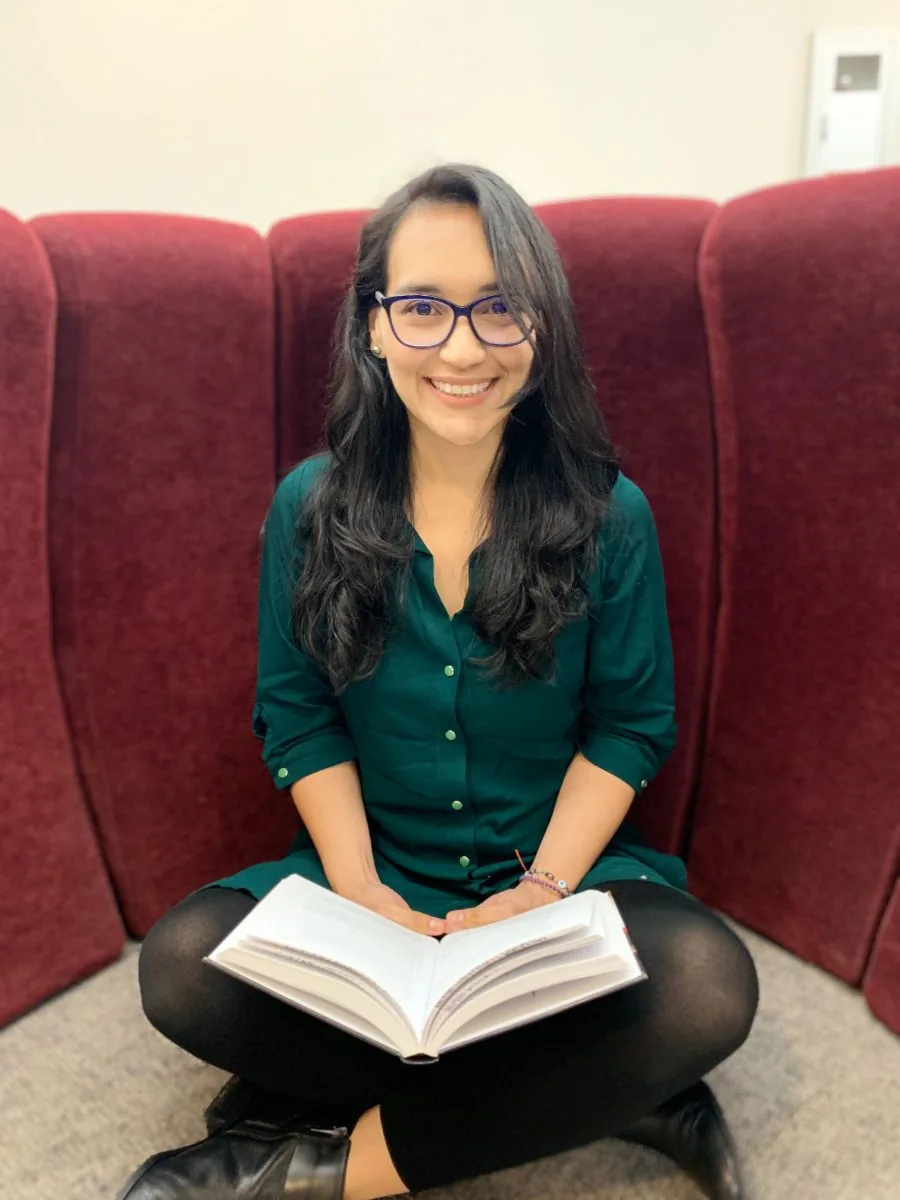
Susan Achury is a political scientist and socio-legal scholar whose work examines how courts, civil society, and institutional design shape access to justice, representation, and democratic accountability. Her research focuses on judicial legitimacy and the gap between rights on paper and rights in practice across Latin America and the United States. Achury holds a Ph.D. in Political Science and a J.D. from Colombia. She is an Assistant Professor of Political Science and Director of Legal Studies at Lycoming College. At Cauce, she directs the lab and leads its comparative research on feminicide laws, civil society strategies, and judicial responses in Latin America.
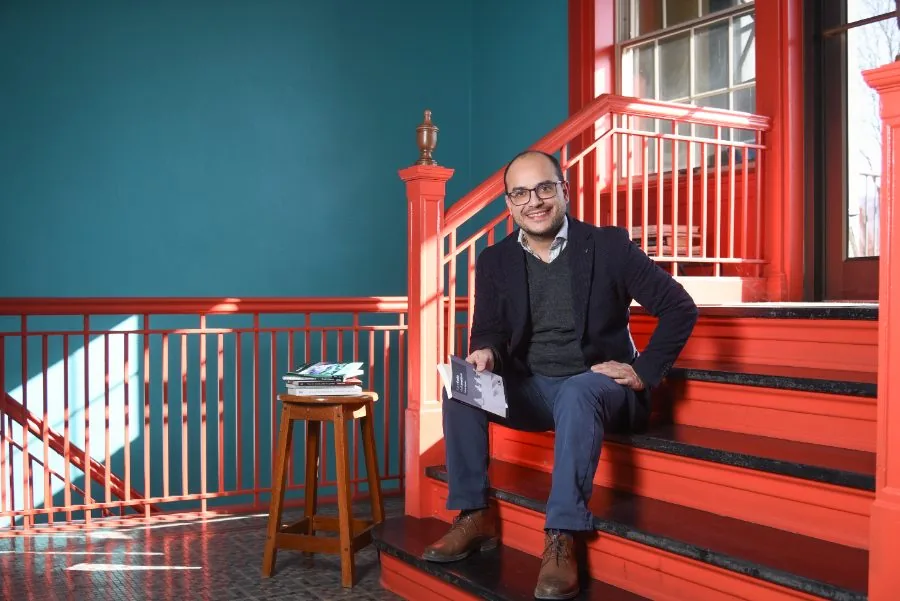
The Lycoming College team behind the IDEAS Program collaboration and the Colombia field school.
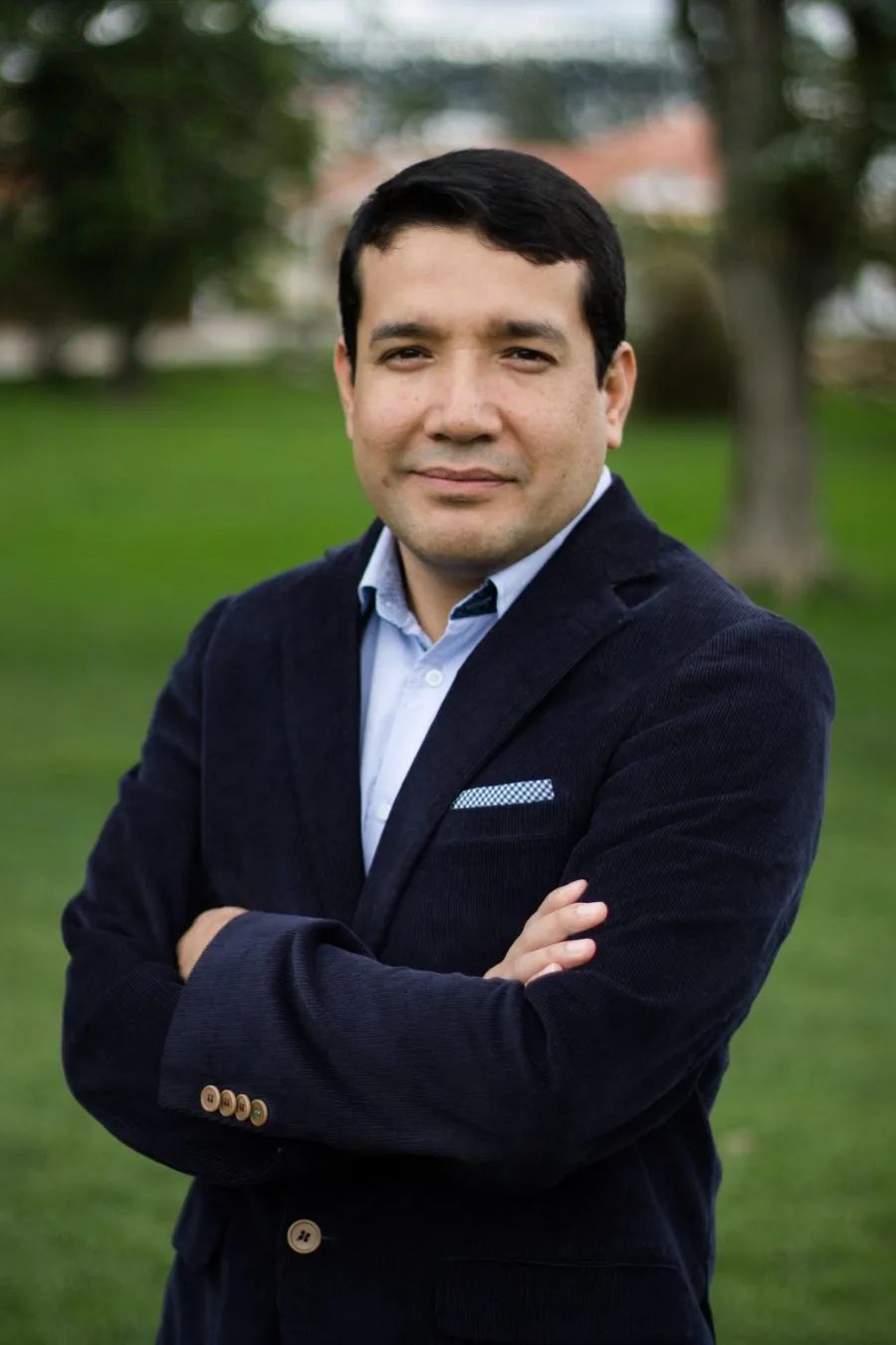
Rubén Varona is a Colombian writer and scholar whose work explores the intersections of memory, history, justice, and human transformation. He is the author of five novels, including La viuda del molino (2023), and the bilingual poetry collection Dust from the Mountain Range / Polvo de cordillera (2024); his work has been translated into English, German, and Italian. Varona holds a Ph.D. in Hispanic Literature and an M.F.A. in Creative Writing, and teaches Latin American literature and creative writing at Lycoming College. At Cauce, he leads storytelling and public humanities initiatives, bringing forward the histories, voices, and lived experiences behind the data.
Dr. Phoebe Wagner is a writer, editor, and academic working at the intersection of climate change and speculative fiction. Her research explores how the futures imagined in speculative fiction can inspire new systems of adaptation and transformation during the climate crisis. She is the author of the novel A Shot of Gin (2023) and the novella When We Hold Each Other Up (2023), and the editor of three solarpunk anthologies, including Sunvault: Stories of Solarpunk & Eco-Speculation (2017). At Cauce, she co-leads storytelling and the narrative design of the Colombia field school, developing place-based, interdisciplinary approaches that connect environmental change, memory, democracy, and community knowledge.
Adrian Rublein earned his PhD in Computer Science and Engineering from Penn State University, where his research focused on resource allocation in edge computing networks. He is also interested in human-centered robotics and gamification for learning. At Cauce, he leads the design and construction of the website, maintaining the accessibility of the gathered stories and knowledge.
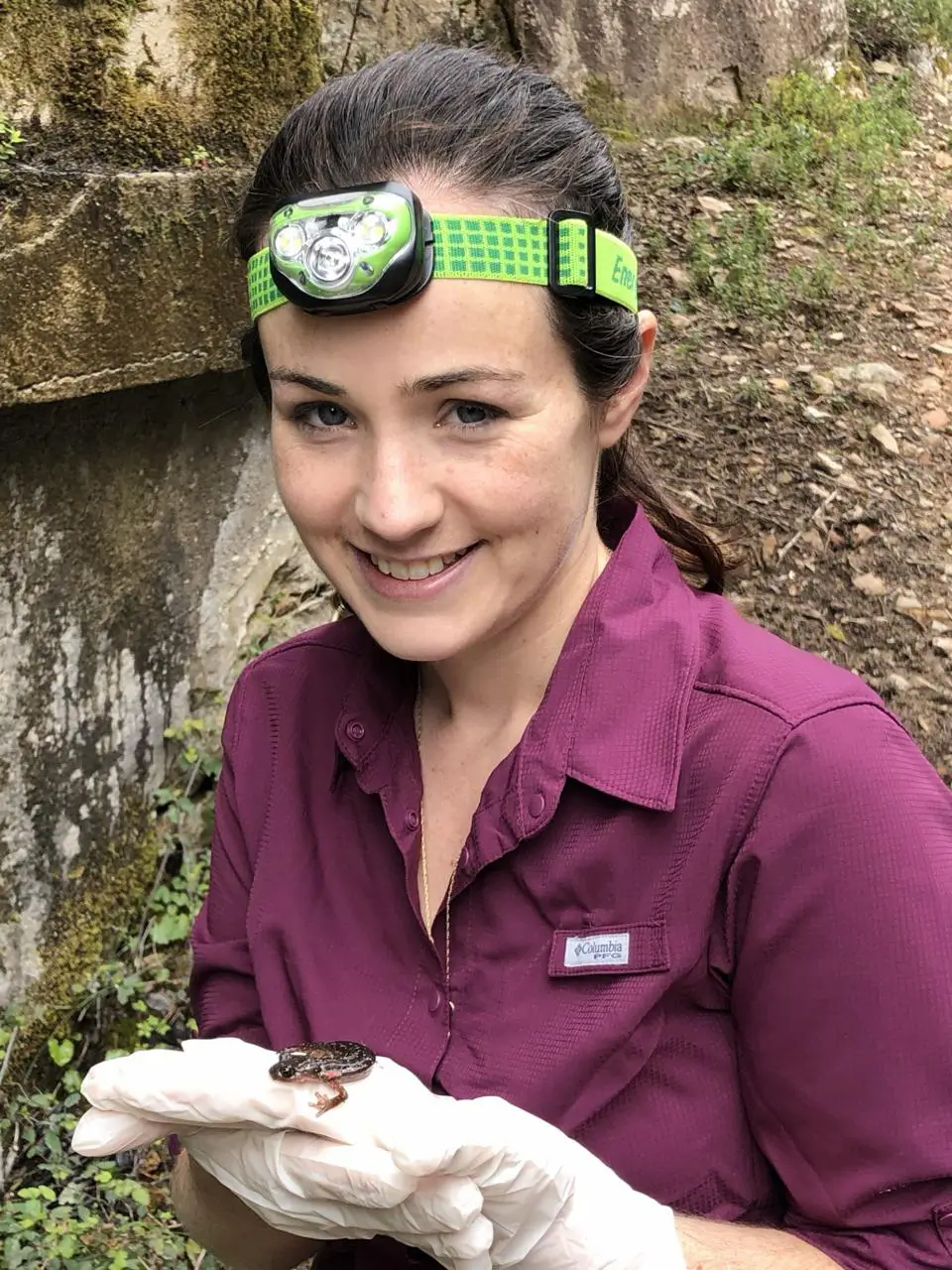
Mary Kate O’Donnell graduated with a B.S. in biology and English from St. Joseph’s University in Philadelphia and earned her Ph.D. from the University of South Florida, where her dissertation focused on the biomechanics of clinging and climbing in plethodontid salamanders. She recently completed a postdoc at Brown University on mouse and frog muscle physiology. Her research broadly encompasses the biomechanics of feeding and locomotion, with an emphasis on amphibians and reptiles. At Cauce, she leads the integration of scientific and environmental inquiry into the Colombia field school, connecting place-based observation, ecological change, and storytelling across disciplines.
Carlos Mauricio Muñoz is a Colombian journalist, historian, screenwriter, and novelist whose work brings together historical research, cultural journalism, and audiovisual storytelling. He has written several historical television miniseries in Colombia, including Mosquera: historia, poder y demencia, which received the Simón Bolívar Order of Democracy from the Congress of Colombia. He is the author of La revolución del centro and the literary reportage novel Fuego de mayo (2025), and in 2022 received the ACOPI Cauca Award for Journalistic Merit for his contributions to cultural journalism. He teaches in the Department of History at Universidad del Cauca. At Cauce, he leads audiovisual production and develops visual storytelling projects that transform historical research and public knowledge into compelling narratives for wider audiences.
Cauce welcomes junior members of the team to help them build career skills while contributing to research projects.
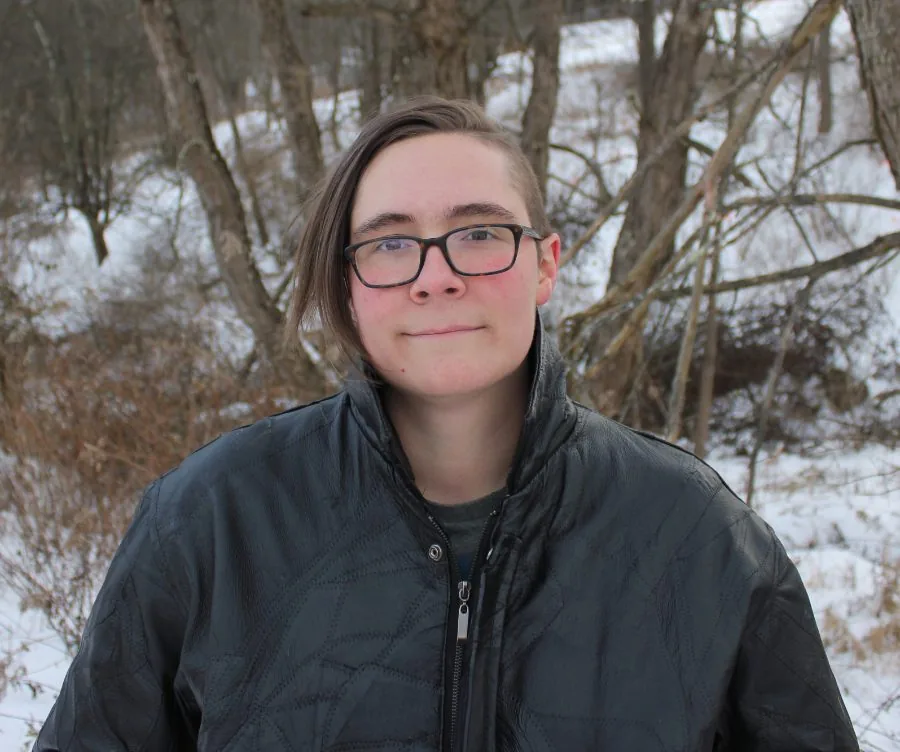
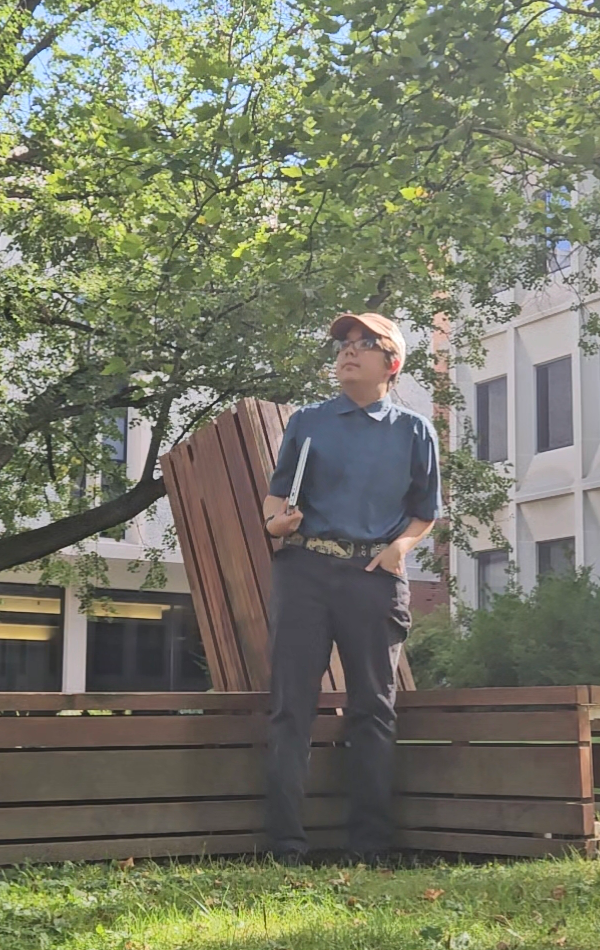
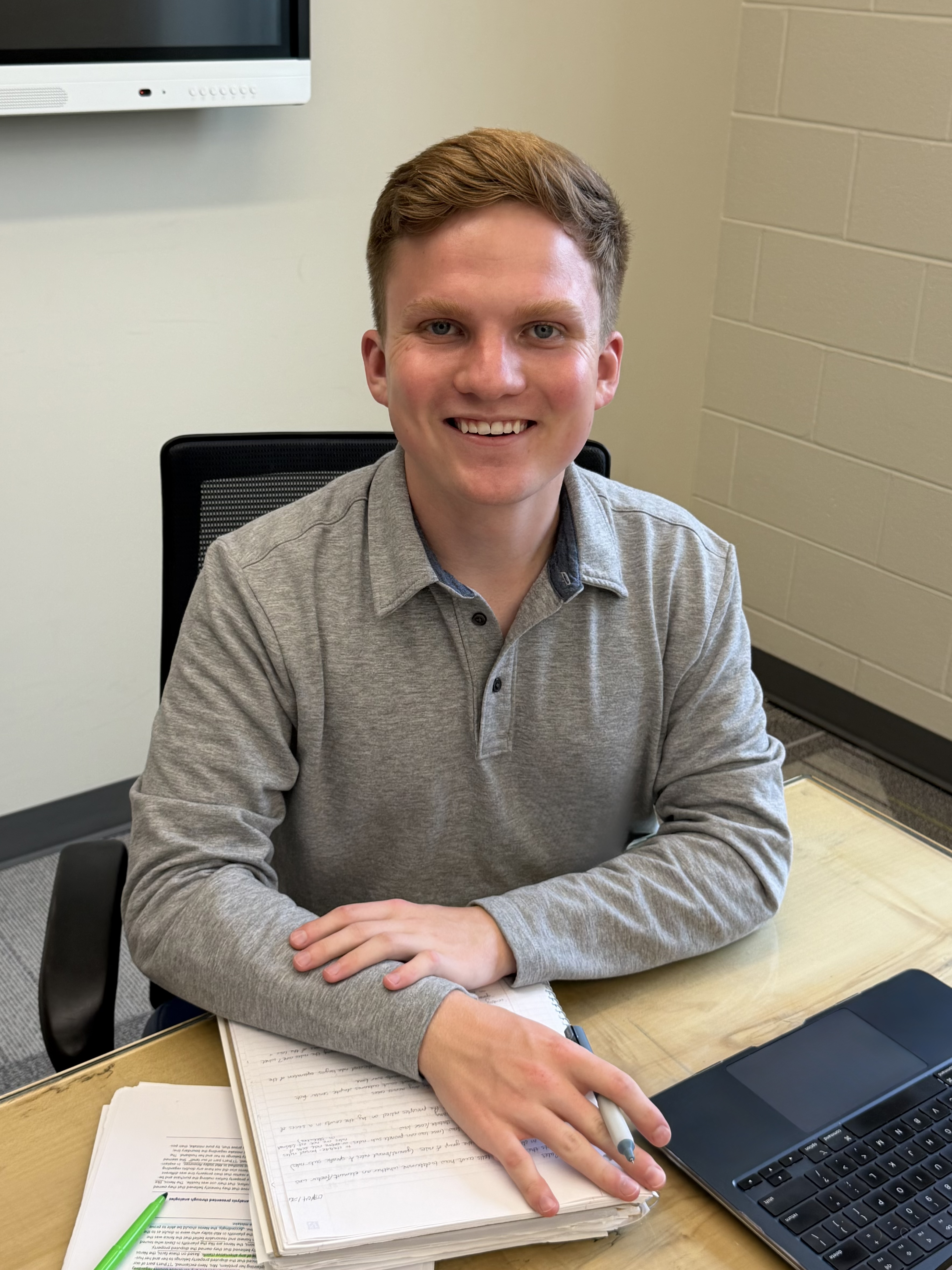
Joshua is an undergraduate in political science and sociology at Lycoming College. His research focuses on access to justice, particularly in family law. At Cauce, he contributes to data coding and analysis and studies the criminalization of feminicide, democratic backlash, and anti-rights movements in Latin America.
Keegan is an undergraduate in computer science at Lycoming College. He developed the prototype of the feminicide map.
Darby is an undergraduate in legal studies at Lycoming College. Her research explores how courts, civil society, and strategic litigation shape feminicide laws and gender equality in Latin America. At Cauce, she contributes to research and data analysis while centering counterdata and women’s lived experiences.
Cauce is built by two universities working as equal partners across the Americas.
Lycoming College is a liberal arts and sciences college in Williamsport, Pennsylvania. Within Cauce it contributes interdisciplinary faculty leadership, undergraduate research, curriculum development, and institutional coordination in the United States, connecting political science, creative writing, Spanish, environmental studies, and other fields through research, storytelling, and field-based learning.
Universidad del Cauca is a public university in Popayán, Colombia, founded in 1827. Within Cauce it contributes the experience of a Colombian public university, regional and territorial knowledge, established academic research groups, local institutional networks, and a long-standing commitment to international academic cooperation rooted in place.
The collaboration was developed through an IDEAS grant. The IDEAS Program is a U.S. Department of State capacity-building program for U.S. study abroad. It supports the partnership’s international education and exchange goals; it is not an academic research partner and does not author, review, or endorse Cauce’s research, datasets, or conclusions.
For inquiries, collaborations, data use, teaching materials, or media requests, reach the team through their personal websites while the lab inbox is set up.